
Why does adderall make my body hurt? Adderall makes your body hurt through several distinct mechanisms: global muscle tension from sympathetic nervous system activation, peripheral vasoconstriction causing pain in the fingers and toes, gastrointestinal pain from slowed gut motility, headaches from elevated blood pressure and dehydration, and — rarely — a serious condition called rhabdomyolysis involving actual muscle fibre breakdown. The type of pain you’re experiencing points to a specific cause, each with a different fix.
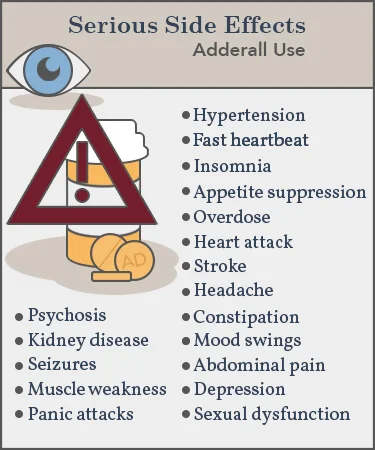
Introduction
Body pain on Adderall is more common than most prescribers discuss during consultations — yet it’s one of the side effects that most often sends patients searching for answers outside the clinic. The pain can take many forms: sore, tight muscles you can’t relax; fingers and toes that hurt and go pale in the cold; a persistent headache by mid-afternoon; stomach cramps that arrive with the first dose; a general full-body ache that wasn’t there before the prescription.
None of these are the same problem, and treating them as if they are leads to either ineffective self-management or unnecessary anxiety. This guide identifies every distinct way Adderall causes physical pain, explains the specific mechanism behind each, and gives you targeted information about what to do — and when to seek urgent care.
What You Need to Know First
Adderall’s pain-producing effects all trace back to its core pharmacological action: raising dopamine and norepinephrine, which activates the sympathetic nervous system throughout the body. The sympathetic nervous system governs the “fight-or-flight” response — and a body in a sustained fight-or-flight state is a body under physical strain. The specific ways that strain manifests as pain depend on which body system is most vulnerable in a given individual.
The body systems Adderall’s pain effects target:
- Skeletal muscle — via increased global muscle tension from norepinephrine activation
- Peripheral blood vessels — via vasoconstriction reducing circulation to extremities
- Gastrointestinal tract — via slowed gut motility and reduced intestinal blood flow
- Cardiovascular system — via elevated heart rate and blood pressure
- The head — via blood pressure elevation and dehydration-driven tension headaches
- Muscle fibres themselves — rarely, via rhabdomyolysis (muscle fibre breakdown)
- Pelvic floor — via myofascial tension in pelvic muscles
Cause 1: Global Muscle Tension — The Most Common Cause of Body Aches
For most people whose body hurts on Adderall, diffuse muscle tension is the primary driver. This is not pain from injury or inflammation — it is sustained, low-grade contraction of muscles throughout the body as a direct response to elevated norepinephrine.
Norepinephrine activates alpha-adrenergic receptors in skeletal muscle, promoting continuous partial contraction. Under sustained sympathetic activation, muscles never fully relax between contractions — they remain in a state of elevated tone throughout the medicated window. Over hours, this chronic low-grade contraction produces the same soreness that would follow sustained physical exertion, even if the person has been sitting still.
The muscles most typically affected are those that are already prone to tension under stress: the neck and upper trapezius, shoulders, jaw (as discussed in the previous article), lower back, and calves. People with pre-existing musculoskeletal conditions — tension headaches, fibromyalgia, myofascial pain syndromes — frequently find their symptoms significantly amplified by stimulant medication, because Adderall’s sympathetic activation adds directly to the already-elevated muscle tension these conditions involve.
Specific contributing factors that worsen muscle tension on Adderall:
- Sitting in a static position for extended periods during hyperfocused work
- Caffeine intake on top of Adderall — stacking two sympathomimetic stimulants doubles the norepinephrine-driven tension
- Dehydration, which increases muscle cramping risk independently of tension
- Dose above the therapeutic optimum, producing more sympathetic activation than necessary
What helps: Scheduled movement breaks during the medicated work day — even five minutes of stretching per hour significantly reduces accumulated tension. Reducing caffeine intake. Addressing dose if tension is severe. Magnesium supplementation, for the same muscular relaxation reason it helps with jaw clenching.
Cause 2: Peripheral Vasoconstriction — Pain in Fingers and Toes
If the pain in your body concentrates in your fingers and toes — particularly in cold environments, where they go pale, white, blue, or intensely painful — this is a distinct and separate mechanism: peripheral vasoconstriction triggering Raynaud’s phenomenon.
Adderall is a potent vasoconstrictor. By stimulating alpha-adrenergic receptors in blood vessel walls, it causes smooth muscle in vessels throughout the body to contract, reducing the diameter of the vessels and therefore the volume of blood reaching the extremities. This is the same mechanism that drives Adderall-related ED in men — reduced peripheral blood flow — but in the case of fingers and toes, the consequence is cold, painful, and sometimes visibly discoloured extremities.
Adderall can cause or significantly worsen Raynaud’s phenomenon — a condition in which peripheral vasoconstriction in response to cold or stress causes episodic colour changes and pain in the fingers and toes. This is a recognised adverse effect of all amphetamine-based stimulants, documented at therapeutic doses across all age groups. Stimulants including methylphenidate and dextroamphetamine are specifically listed as medications associated with Raynaud’s in clinical guidance.
Signs and symptoms are usually intermittent and mild — but serious complications including digital ulceration (open sores on the fingertips) and soft tissue breakdown have been reported in severe or prolonged cases. If you notice consistent colour changes in your fingers or toes alongside pain on Adderall, this warrants a prescriber conversation promptly.
What helps: Keeping hands and feet warm, avoiding cold exposure during the medicated window, wearing gloves in cold environments, and — if symptoms are persistent or progressing — a prescriber review of dose and whether continuation of stimulant treatment is appropriate.
Cause 3: Gastrointestinal Pain — Stomach Cramps, Constipation, and Abdominal Ache
Stomach pain and abdominal cramping are among the most frequently reported Adderall side effects, particularly in the first weeks of treatment. The mechanism is the sympathetic nervous system’s direct effect on the gastrointestinal tract.
The gut is innervated by both the sympathetic and parasympathetic nervous systems — the former slows it down, the latter speeds it up. Adderall’s norepinephrine surge tips this balance toward sympathetic dominance, reducing intestinal motility (the rhythmic contractions that move food and waste through the digestive system). The result is slowed gut transit, which produces:
- Constipation — reduced motility allows stool to accumulate and dry out
- Abdominal cramping — the gut’s attempt to push contents through against reduced motility
- Nausea — particularly when Adderall is taken on an empty stomach, as the gastric lining is directly irritated by the drug without food present
- Bloating — accumulated gas from slowed transit, which also presents on the scale as apparent weight gain
Adderall has also been associated with a rare but serious gastrointestinal complication: ischaemic colitis — a condition where reduced blood flow to the colon causes damage to the intestinal lining, producing severe abdominal pain and bloody stool. This is rare but warrants specific mention because it presents as abdominal pain that may be misattributed to common gut upset. Abdominal pain accompanied by blood in the stool, fever, or rapidly worsening intensity requires urgent medical evaluation.
What helps for common GI pain: Taking Adderall with food reduces nausea and gastric irritation significantly. Adequate hydration (directly relevant to constipation relief). High-fibre diet. If constipation is persistent and uncomfortable, a prescriber conversation about dose timing or formulation is appropriate.
Cause 4: Headaches — Tension, Vascular, and Dehydration-Driven
Headaches are one of the most consistently reported Adderall side effects across clinical trial data. There are three distinct headache mechanisms on Adderall, and distinguishing them points toward different solutions.
Tension headaches arise from the global muscle tension described above — specifically the chronic contraction of the neck, trapezius, and temporalis muscles, which attach to the skull and generate head pain when persistently contracted. These feel like a band of pressure around the head or pain originating from the neck and shoulders upward.
Vascular headaches arise from elevated blood pressure. Adderall raises both systolic and diastolic blood pressure through its norepinephrine-driven arterial constriction. In individuals who are already borderline hypertensive or who experience blood pressure sensitivity, this elevation can produce vascular headaches — typically throbbing, sometimes severe, and often worst during the peak of the medication’s active window.
Dehydration headaches arise from the fluid and electrolyte mechanisms described in the previous article — accumulated dehydration across a medicated day reduces cerebral blood volume and triggers the vasodilation response that produces the classic dehydration headache. These typically worsen across the afternoon and often coincide with the medication wearing off.
What helps: Scheduled hydration (addresses dehydration headaches), movement breaks and neck/shoulder stretching (addresses tension headaches), blood pressure monitoring and prescriber communication (addresses vascular headaches). If headaches are severe, frequent, or accompanied by vision changes or neurological symptoms, urgent medical evaluation is warranted.
Cause 5: Chest Pain and Cardiovascular Discomfort
Chest pain or discomfort on Adderall warrants specific and direct discussion — because it exists on a spectrum from benign to potentially serious.
At the benign end: mild chest tightness or palpitations can occur as a direct consequence of Adderall’s elevated heart rate and blood pressure effects. The heart working harder than normal can produce a sensation of pressure or discomfort that is not a sign of structural damage — particularly in young, otherwise healthy individuals.
At the serious end: Adderall has been associated with cardiovascular events including chest pain warranting emergency evaluation, and in individuals with pre-existing cardiac conditions — undiagnosed arrhythmias, structural heart defects, cardiomyopathy — the increased cardiac workload from stimulant medication carries genuine risk. Over the long term, sustained elevated heart rate and blood pressure from stimulant use can contribute to cardiac strain.
The clinical rule is clear: chest pain on Adderall should not be self-managed or monitored at home. Any new, significant, or worsening chest pain — particularly if accompanied by shortness of breath, pain radiating to the arm or jaw, dizziness, or palpitations — warrants same-day medical review, not a wait-and-see approach.
Cause 6: Pelvic Floor Pain
This cause is underappreciated and under-discussed, but clinically documented. Adderall’s sympathetic activation increases tone in smooth and skeletal muscles throughout the body — and the pelvic floor muscles are no exception.
Elevated pelvic floor tension on stimulant medication can produce:
- Pelvic pain or pressure — particularly in people with pre-existing pelvic floor dysfunction
- Painful intercourse — from elevated pelvic muscle tension reducing the ability to relax during sex
- Difficulty urinating or bowel movements — from the inability to appropriately relax pelvic floor muscles during these functions
- Exacerbation of constipation — through pelvic floor tension compounding gut motility reduction
In women on Adderall, vaginal dryness — from the same systemic vasoconstriction and sympathetic activation that reduces saliva — can also contribute to painful intercourse. These symptoms are rarely raised in medication consultations because patients don’t connect them to the ADHD medication, but the mechanism is direct and consistent.
What helps: Pelvic floor physiotherapy specifically addresses hypertonic pelvic floor dysfunction and is significantly more effective than general relaxation advice for this specific presentation. A referral from a GP is the appropriate pathway.
Cause 7: Rhabdomyolysis — The Rare But Serious One
This requires honest, direct coverage — not to alarm, but because it is a real, potentially life-threatening condition that was added to the warning labels of all major ADHD medications in 2015, and because many patients and even some prescribers are not fully aware of it.
Rhabdomyolysis is the breakdown of muscle fibres, releasing a protein called myoglobin into the bloodstream. When the kidneys attempt to filter myoglobin out, it can cause direct renal tubular damage, potentially leading to acute kidney injury or failure. It is documented as a rare side effect associated with all ADHD stimulant medications and atomoxetine.
It is important to be clear about risk: rhabdomyolysis from therapeutic ADHD medication use is extremely rare. The case reports in the literature are predominantly associated with high-dose misuse, excessive exercise while medicated, severe dehydration, or in patients with pre-existing renal impairment.
Symptoms that should prompt immediate medical evaluation — not a “wait and see” approach:
- Severe, intense muscle pain disproportionate to any physical activity
- Profound muscle weakness — difficulty lifting limbs
- Dark brown or cola-coloured urine — the hallmark sign of myoglobin in the urine
- Markedly reduced urine output alongside severe muscle symptoms
If you experience this combination of symptoms, contact a doctor or emergency department immediately. Rhabdomyolysis is treatable when caught early; untreated, it can cause permanent kidney damage.
Body Pain Versus Crash Pain: An Important Distinction
Many people ask about pain specifically during the Adderall crash — the period as the medication wears off in the late afternoon or evening. Crash-related discomfort is distinct from the pharmacologically-active pain types described above, and involves a different mechanism: as dopamine and norepinephrine drop toward and briefly below their pre-medication baseline, the body experiences a rebound state that can involve:
- Diffuse aching and fatigue — muscles that were tension-held for hours releasing simultaneously
- Headache — typically dehydration and vascular in origin
- General malaise and sensitivity — the neurochemical drop producing a physical sense of heaviness
This crash discomfort is not a sign of medication damage — it’s the pharmacological come-down from elevated neurotransmitter activity. Adequate hydration, a small nutritious meal as the crash begins, and rest typically resolve it within 1–2 hours.
When Body Pain on Adderall Requires Urgent Medical Attention
Some pain presentations require immediate evaluation rather than self-management:
Safety and Legal Context for Australians
Adderall is not available in Australia — it is not TGA-approved and cannot be legally prescribed. Every mechanism of body pain described in this article applies equally to Vyvanse (lisdexamfetamine) and dexamphetamine, and the rhabdomyolysis warning specifically extends to Vyvanse, Concerta, Ritalin, Strattera, and all other TGA-listed ADHD medications. Peripheral vasculopathy and Raynaud’s phenomenon are recognised adverse effects of all amphetamine-class stimulants used in Australia.
For Australian patients experiencing any significant or persistent body pain on ADHD medication, a conversation with the prescribing specialist is the appropriate first step — particularly for cardiovascular symptoms, peripheral vascular changes in extremities, or severe muscle pain. All require prescriber assessment rather than self-management.
Common Misconceptions About Adderall and Body Pain
Myth 1: “Body pain on Adderall just means my muscles are weak — I should exercise more.”Muscle tension pain on Adderall is not caused by weakness — it is caused by sustained involuntary contraction from sympathetic activation. Increasing exercise intensity while this tension is present can worsen it and — in the context of significant dehydration — elevates rhabdomyolysis risk. The correct response to tension-based body aches is scheduled gentle movement and stretching, not increased training load.
Myth 2: “If it were serious, my doctor would have mentioned it.”The rhabdomyolysis warning was added to ADHD medication labels in 2015, and awareness in clinical practice remains incomplete. Multiple patient accounts describe being put through extensive investigations for unexplained muscle pain before the connection to their ADHD medication was identified. Being proactive about mentioning body pain to your prescriber is appropriate — do not assume the absence of a warning conversation means body pain is unimportant.
Myth 3: “The pain will get better once I get used to the medication.”Common side effects like mild GI cramping and tension headaches often do improve within the first 1–2 weeks of use as the body adapts. But peripheral vascular pain, ongoing muscle tension, and cardiovascular discomfort do not typically resolve through adaptation alone — they reflect sustained pharmacological effects that require dose, timing, or medication review.
Myth 4: “Body aches just mean the dose is too low and I need more.”Body pain on Adderall is almost exclusively a sign of too much stimulant activation, not too little — it reflects the norepinephrine-driven sympathetic effects that scale up with dose. Increasing the dose when you’re experiencing body pain will worsen, not improve, the symptom.
FAQ — Why Does Adderall Make My Body Hurt?
Why does my whole body ache on Adderall?Diffuse body aching on Adderall is most commonly caused by global skeletal muscle tension from sustained norepinephrine-driven sympathetic activation — the body holding a low-grade fight-or-flight state across the entire medicated window. Combined with dehydration (which amplifies muscle cramping) and static posture during focused work, this produces soreness that resembles post-exercise muscle fatigue without any actual exercise occurring. Scheduled movement breaks, adequate hydration, dose review, and reduced caffeine intake address the most common presentation.
Why do my fingers and toes hurt and go cold on Adderall?This is peripheral vasoconstriction — Adderall’s alpha-adrenergic stimulation of blood vessel walls reduces blood flow to the extremities. In susceptible individuals it triggers Raynaud’s phenomenon: episodic colour changes (white → blue → red) and pain or numbness in fingers and toes, particularly on cold exposure. This is a recognised adverse effect of all amphetamine-class stimulants at therapeutic doses and requires prescriber awareness and monitoring. Severe or progressive symptoms — particularly colour changes at rest or skin ulceration — warrant urgent review.
Why does Adderall give me stomach pain?Stomach and abdominal pain on Adderall stems from the sympathetic nervous system slowing gut motility — reducing intestinal contractions, backing up bowel contents, and producing cramping as the gut attempts to overcome this reduced motility. Nausea is worsened when Adderall is taken on an empty stomach. These effects are most pronounced in the first weeks of treatment and often improve with adaptation, food timing adjustments, and adequate hydration. Severe abdominal pain with blood in the stool requires urgent same-day evaluation for ischaemic colitis.
Why do I have headaches on Adderall every day?Daily headaches on Adderall typically have three overlapping contributors: tension from neck and shoulder muscle tightness, mild blood pressure elevation, and dehydration accumulating across the medicated day. Most respond well to improved hydration, movement breaks, and — if persistent — dose review with the prescriber. Severe headaches or headaches accompanied by vision changes or neurological symptoms require same-day medical evaluation.
Can Adderall cause muscle damage?In rare cases, yes — through rhabdomyolysis, the pharmacological breakdown of muscle fibres releasing myoglobin into the bloodstream. This is listed on all ADHD medication warning labels but is extremely rare at therapeutic doses in otherwise healthy individuals without renal impairment. The warning signs — severe intense muscle pain disproportionate to any activity, profound weakness, and dark cola-coloured urine — require immediate emergency evaluation. Common muscle tension and aching are not rhabdomyolysis and do not require emergency care.
Does Adderall body pain go away over time?Mild GI cramping, nausea, and some tension headaches commonly improve within the first 1–2 weeks as the body adapts to the medication. Ongoing peripheral vascular pain, sustained global muscle tension, and cardiovascular discomfort do not reliably resolve through adaptation alone — they reflect pharmacological effects that scale with dose and duration, and typically require clinical management rather than waiting. If any pain is worsening rather than improving after the initial adaptation period, prescriber contact is warranted.
Should I stop Adderall if it’s making my body hurt?Do not stop abruptly without prescriber guidance. For common side effects — muscle tension, mild GI pain, tension headaches — dose adjustment, timing changes, and supportive measures (hydration, movement, dietary changes) should be trialled first. For cardiovascular pain, peripheral vascular changes, or severe muscle pain, prompt prescriber contact is needed before making any unilateral changes to the prescription. Stopping stimulant medication abruptly can produce a withdrawal-like period of fatigue and cognitive fog.
The Bottom Line
Adderall makes your body hurt through a set of distinct, mechanistically specific pathways — global muscle tension from norepinephrine activation, peripheral vasoconstriction causing extremity pain and Raynaud’s phenomenon, slowed gut motility producing gastrointestinal cramps, blood pressure and dehydration-driven headaches, and — rarely — rhabdomyolysis involving actual muscle fibre breakdown. The type of pain you’re experiencing points directly to the mechanism, and each mechanism has a specific clinical response. Most common pain side effects are manageable through hydration, scheduled movement, dose timing, and prescriber-guided dose review without discontinuing ADHD treatment. Some presentations — chest pain, severe muscle pain with dark urine, fingertip ulceration — require urgent or emergency medical evaluation rather than self-management. For Australian patients on Vyvanse or dexamphetamine with the same symptoms, the identical mechanisms apply, and prescriber communication is always the right first step.
Why does Adderall make my body hurt Hobart
Why does Adderall make my body hurt Devonport
Why does Adderall make my body hurt Launceston
Why does Adderall make my body hurt Tasmania
Why does Adderall make my body hurt Victoria
Why does Adderall make my body hurt Queensland
Why does Adderall make my body hurt Canberra
Why does Adderall make my body hurt Australian Capital Territory
Why does Adderall make my body hurt South Australia
Why does Adderall make my body hurt New South Wales
Why does Adderall make my body hurt Darwin
Why does Adderall make my body hurt Ghan
Why does Adderall make my body hurt Northern Territory
Why does Adderall make my body hurt Australia
Why does Adderall make my body hurt Austria
Why does Adderall make my body hurt Germany
Why does Adderall make my body hurt United Kingdom
Why does Adderall make my body hurt Sweden
Why does Adderall make my body hurt Denmark
Why does Adderall make my body hurt Norway
Why does Adderall make my body hurt Finland
Why does Adderall make my body hurt Iceland
Why does Adderall make my body hurt Netherlands
Why does Adderall make my body hurt Spain
Why does Adderall make my body hurt Ireland
Why does Adderall make my body hurt Switzerland
