
What does adderall do? Adderall is a prescription stimulant that increases dopamine and norepinephrine levels in the brain, helping people with ADHD focus, control impulses, and reduce hyperactivity. It contains a blend of amphetamine salts — dextroamphetamine and amphetamine — that activate the central nervous system. Effects typically begin within 30–60 minutes of taking a dose.
Introduction
If you’ve been recently diagnosed with ADHD — or you’re trying to understand what a family member has been prescribed — the question “what does Adderall do?” comes up fast. It’s one of the most searched ADHD-related queries in the world, yet most answers either skim the surface or bury the important details in medical jargon.
This guide cuts through that. Whether you’re a parent researching options, an adult newly diagnosed, or a healthcare consumer comparing treatments, here’s an honest, detailed breakdown of how Adderall works, what to realistically expect, and — crucially for Australians — what the local legal picture looks like.
What You Need to Know First
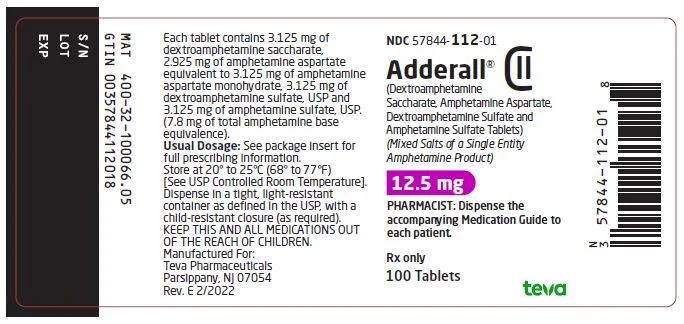
Adderall is a brand-name medication containing a mixture of four amphetamine salts: dextroamphetamine saccharate, amphetamine aspartate monohydrate, dextroamphetamine sulfate, and amphetamine sulfate. This blend is often called “mixed amphetamine salts” and is classified as a Schedule II controlled substance in the United States due to its high potential for dependence. It comes in two formulations: Adderall IR (immediate-release, lasting 4–6 hours) and Adderall XR (extended-release, lasting up to 12 hours).
Key facts at a glance:
- Active ingredients: dextroamphetamine and amphetamine (mixed salts)
- Drug class: Central nervous system (CNS) stimulant
- Primary use: ADHD and narcolepsy treatment
- Onset of action: ~30–60 minutes after oral administration
- IR duration: 4–6 hours; XR duration: ~12 hours
- Requires a specialist prescription in all countries where it is legal
How Does Adderall Actually Work in the Brain?
Adderall works by flooding the synaptic gap between neurons with dopamine and norepinephrine — two chemical messengers critical for attention, motivation, and impulse control. It does this through two mechanisms: blocking the reuptake of these neurotransmitters (so they stay active longer) and triggering their direct release from nerve terminals.
For people with ADHD, the brain’s dopamine system is chronically under-stimulated. This creates a constant drive to seek stimulation, which manifests as restlessness, distractibility, and impulsivity. Adderall essentially corrects this deficit by artificially raising baseline dopamine — which is why, paradoxically, a stimulant drug calms and focuses rather than hyping up someone with ADHD.
In individuals without ADHD, preliminary research shows Adderall may produce modest improvements in working memory and processing speed, but the evidence for broader cognitive enhancement is inconsistent and the risks of misuse are significantly higher.
What Does Adderall Feel Like When It’s Working?
When Adderall is working correctly at a therapeutic dose, users commonly report:
- A noticeable reduction in mental “noise” — fewer intrusive thoughts competing for attention
- Increased ability to start and complete tasks without getting derailed
- Less fidgeting and physical restlessness
- Quieter internal dialogue, described by many as “calm focus” rather than a buzz
- Improved working memory — holding and using information mid-task
Customers and clinicians frequently report that the effect feels less like a jolt and more like a lifting of fog. The experience is not euphoric at therapeutic doses — euphoria is a sign of too high a dose or misuse. If someone describes feeling “high” on prescribed Adderall, that warrants a conversation with their prescriber about dose adjustment.
How Long Does Adderall Take to Work?
Adderall IR typically kicks in 30 to 60 minutes after taking it on an empty stomach, with peak effects between 1–3 hours. Adderall XR’s onset is slightly slower — around 1 hour — but maintains a steadier plasma concentration across the day.
What this means in practice: Taking Adderall IR with a high-fat meal can delay absorption by up to 2–3 hours. For consistent results, most clinicians recommend taking the first dose in the morning, ideally before eating or with a light meal. Timing your dose poorly is one of the most common reasons people feel it’s “not working” on some days.
Adderall IR vs. Adderall XR — Which Formulation Does What?
Both formulations contain identical active ingredients. The difference is entirely in delivery and duration.
| Feature | Adderall IR | Adderall XR |
|---|---|---|
| Duration | 4–6 hours | ~12 hours |
| Doses per day | 2–3 | 1 |
| Flexibility | High — dose timing adjustable | Lower — morning-only preferred |
| Tablet/Capsule | Tablet (can be crushed) | Capsule (beads can be sprinkled on food) |
| Best for | Targeted coverage; afternoon flexibility | Full-day coverage; fewer doses |
The XR formulation uses a dual-bead system — roughly 50% of the beads release immediately, and 50% release ~4 hours later — mimicking two IR doses in a single capsule.
Side Effects: The Trade-Offs Worth Knowing
Adderall is effective, but it isn’t clean. The most common side effects at therapeutic doses include:
- Decreased appetite — often significant; weight loss is a documented risk with long-term use
- Insomnia — taking doses too late in the day is the most common trigger
- Elevated heart rate and blood pressure — cardiovascular monitoring is recommended, especially in people with pre-existing heart conditions
- Dry mouth — nearly universal; staying hydrated helps
- Anxiety and irritability — more common in people with co-existing anxiety disorders
From a clinical standpoint, the trade-off is real: the focus gains are genuine, but beginners and those with anxiety may find the initial side effects significant. Starting at a lower dose and titrating up slowly — which is standard practice — reduces this considerably.
Is Adderall Legal in Australia?
No — Adderall is not available as a prescription medication in Australia. This is one of the most important things Australian readers need to understand. While amphetamine-based drugs are not categorically illegal in Australia (dexamphetamine, for example, is prescribed for ADHD), the specific mixed amphetamine salt formula sold as “Adderall” is not TGA-approved and cannot be legally prescribed or dispensed here.
Bringing Adderall into Australia from overseas — even with a valid prescription — requires prior approval and is strictly regulated. Amphetamines appear on Australia’s list of illegal drugs when possessed without a valid prescription.
What Australians with ADHD are prescribed instead:
- Dexamphetamine — a dextroamphetamine-based stimulant, similar in mechanism to Adderall
- Lisdexamfetamine (Vyvanse) — a prodrug that converts to dextroamphetamine in the body; widely used and PBS-listed
- Methylphenidate (Ritalin, Concerta) — a different stimulant class, also commonly prescribed
- Atomoxetine (Strattera) and Guanfacine (Intuniv) — non-stimulant options for those who don’t respond well to or can’t take stimulants
In Australia, all ADHD medications require a specialist prescription — a paediatrician, psychiatrist, or authorised prescriber — not a general practitioner in most states.
Common Misconceptions About Adderall
Myth 1: “Adderall makes everyone smarter.”The evidence for cognitive enhancement in neurotypical individuals is weak and inconsistent. Research shows modest effects on working memory and processing speed in healthy adults, with no reliable benefit to complex tasks like decision-making or planning. The perceived “boost” non-ADHD users experience is largely the result of increased arousal and motivation — and comes with the same side effect risks.
Myth 2: “If it calms you down, you must have ADHD.”Adderall raises dopamine in everyone’s brain. The calming effect is not diagnostic — it just reflects a dose that’s too low to produce stimulation in a neurotypical person. This “calm = confirmation” myth has led to significant self-diagnosis and misuse.
Myth 3: “You can just stop taking it.”Stopping Adderall abruptly after extended use can trigger a withdrawal-like “crash” — fatigue, depression, inability to focus, and mood swings. Tapering slowly under medical supervision is the correct approach.
Buying Guide: What to Look for When Seeking ADHD Treatment in Australia
If you’re exploring ADHD medication in Australia, here’s what people navigating this process find most useful:
- Get a formal ADHD diagnosis first. No Australian specialist will prescribe without a diagnostic assessment. Seek a psychiatrist or paediatrician experienced in ADHD.
- Understand the PBS subsidy. Lisdexamfetamine (Vyvanse) and methylphenidate formulations are PBS-listed, which significantly reduces out-of-pocket costs.
- Ask about the shortage. Australia has been experiencing significant shortages of Concerta, Ritalin LA, and other methylphenidate products. Ask your pharmacist about availability before your prescription is finalised.
- Don’t source Adderall online. Importing unapproved amphetamine formulations into Australia is a serious legal risk, regardless of overseas prescription status.
- Consider combination treatment. Medication works best alongside behavioural therapy, coaching, or CBT — especially for adults managing ADHD in work and relationship contexts.
FAQ — Questions People Also Ask About Adderall
Can you get Adderall prescribed in Australia?No. Adderall (mixed amphetamine salts) is not approved by the TGA and cannot be prescribed in Australia. The closest available alternatives are dexamphetamine and lisdexamfetamine (Vyvanse), which share similar mechanisms and are available by specialist prescription.
What’s the difference between Adderall and Vyvanse?Adderall contains active amphetamine salts that take effect immediately after absorption. Vyvanse is a prodrug — it’s inactive until the body converts it to dextroamphetamine, which results in a smoother onset, more consistent blood levels, and a lower misuse potential. Both treat ADHD, but Vyvanse is generally considered to have a milder side effect profile at equivalent doses.
Does Adderall work differently for adults vs. children?The core mechanism is the same, but dosing requirements, side effect profiles, and tolerability differ. Children are generally more sensitive to appetite suppression and growth effects. Adults with ADHD often require slightly higher doses to achieve equivalent symptom control, and cardiovascular monitoring is more important as people age.
Why does Adderall cause loss of appetite?Amphetamines suppress appetite by stimulating the hypothalamus — the brain region that regulates hunger — and by reducing the motivation to seek food as dopamine is otherwise occupied. This is why weight loss is a well-documented side effect, particularly in children on long-term treatment.
Is it safe to drink coffee while taking Adderall?Caffeine and Adderall are both stimulants, and combining them can amplify side effects like increased heart rate, anxiety, and insomnia. From a practical standpoint, many users find their coffee tolerance drops while on Adderall. It’s worth discussing with your prescriber, especially if you’re sensitive to stimulants.
What happens if someone without ADHD takes Adderall?They’ll likely experience increased alertness, reduced appetite, elevated heart rate, and potentially anxiety — the same stimulant effects anyone experiences. The idea that Adderall only “works” on people with ADHD is a myth; the neurological response is universal.
How do you know if your Adderall dose is too high?Signs of an excessive dose include pronounced anxiety, heart pounding, irritability, inability to sleep, and feeling “wired but not focused.” These are commonly reported when doses are increased too quickly. If this happens, contact your prescriber — a dose reduction typically resolves these effects within a day.
Can Adderall be addictive?Yes — amphetamines carry a genuine risk of dependence, particularly with long-term high-dose use or misuse. At therapeutic doses under medical supervision, the risk is significantly lower, but it’s real and should not be minimised. This is precisely why Australian regulations require specialist prescriptions and controlled dispensing for all stimulant ADHD medications.
What does Adderall do Hobart
What does Adderall do Devonport
What does Adderall do Launceston
What does Adderall do Tasmania
What does Adderall do Victoria
What does Adderall do Queensland
What does Adderall do Canberra
What does Adderall do Australian Capital Territory
What does Adderall do South Australia
What does Adderall do New South Wales
What does Adderall do Darwin
What does Adderall do Ghan
What does Adderall do Northern Territory
What does Adderall do Australia
What does Adderall do Austria
What does Adderall do Germany
What does Adderall do United Kingdom
What does Adderall do Sweden
What does Adderall do Denmark
What does Adderall do Norway
What does Adderall do Finland
What does Adderall do Iceland
What does Adderall do Netherlands
What does Adderall do Spain
What does Adderall do Ireland
What does Adderall do Switzerland
The Bottom Line
Adderall works by boosting dopamine and norepinephrine in the brain, helping people with ADHD focus, control impulses, and function more consistently throughout the day. It’s a clinically effective treatment — but it’s also a potent controlled substance with real side effects, dependence potential, and strict legal status that varies significantly by country. For Australians, the practical path to ADHD treatment runs through TGA-approved medications like Vyvanse and dexamphetamine, all requiring specialist oversight.
