
What to switch to when adderall stops working? When Adderall stops working, the clinical next step depends on why it stopped working — but the most commonly recommended first switch is to Vyvanse (lisdexamfetamine), another amphetamine-class stimulant with a smoother release profile and lower tolerance risk. If Vyvanse also fails, the next step is switching to the methylphenidate class (Concerta, Ritalin, Focalin) — because approximately 40% of ADHD patients respond to only one stimulant class, and switching classes resolves the problem in many of these cases. If both stimulant classes fail, non-stimulants — particularly atomoxetine (Strattera), viloxazine (Qelbree), guanfacine ER (Intuniv), or bupropion (Wellbutrin) — become the next clinical tier.
Introduction
“Adderall stopped working” is one of the most common complaints in ADHD treatment — and it encompasses several distinct clinical situations that require different solutions. A patient who has taken 10 mg daily for two years and gradually notices it feels less effective is experiencing a different problem from someone whose Adderall suddenly stopped working overnight, or a patient who has never felt Adderall working at all.
Each situation has its own cause — tolerance, inadequate dose, manufacturer variation in generic formulations, underlying comorbidities that have shifted, lifestyle changes that affect pharmacokinetics, or genuine treatment-resistant ADHD — and each cause points toward a different intervention. This guide covers every reason Adderall can stop working, the evidence-based clinical algorithm for what to switch to, every available alternative with dose conversions, and how to have the most productive conversation with your prescriber about changing your treatment.
Why Adderall Stops Working: Know the Cause Before Switching
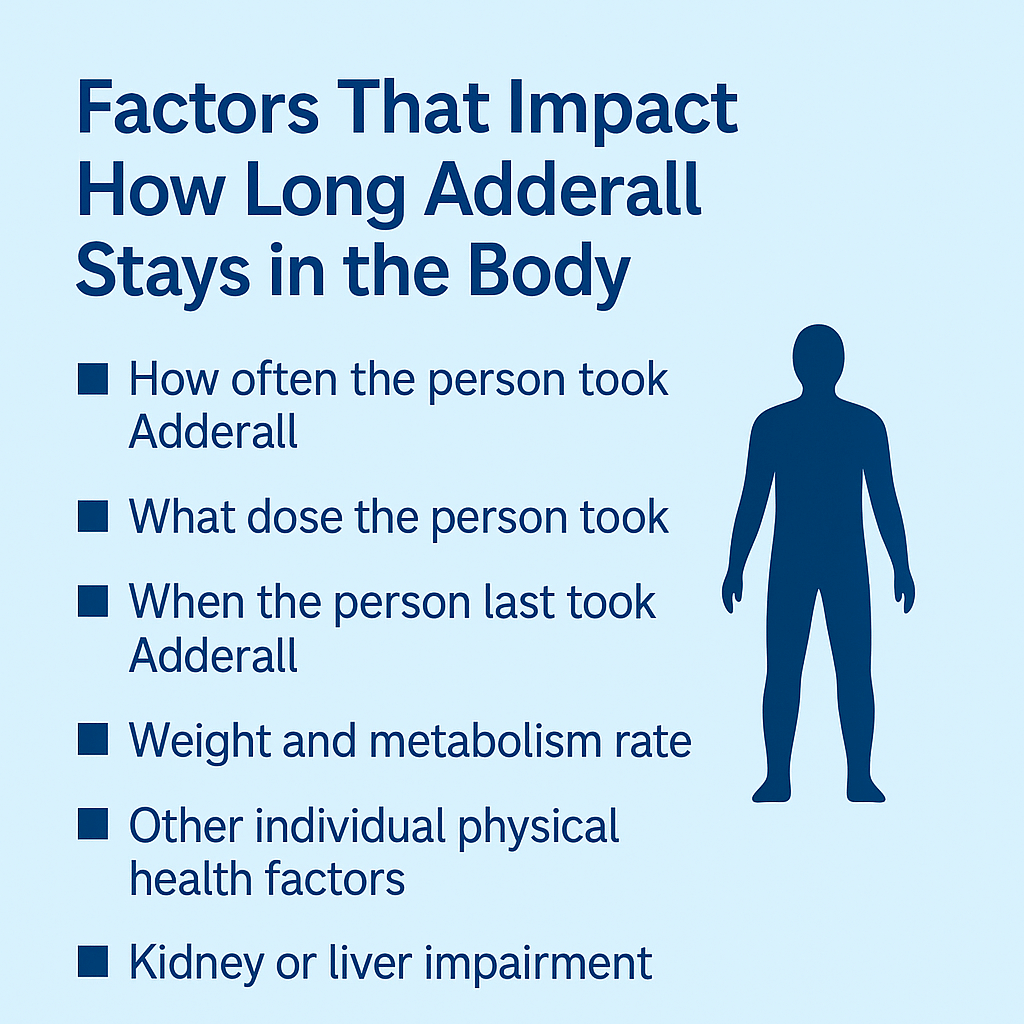
Before switching medications, the single most important step is identifying why Adderall has stopped working — because the cause determines the correct next move:
Tolerance and Receptor Downregulation
The most common reason prescribed patients report diminished Adderall effectiveness over time:
- With repeated amphetamine exposure, the brain’s dopamine and norepinephrine receptor systems gradually downregulate — reducing sensitivity to the same dose
- Tolerance is more likely with higher doses, longer duration of use, and taking medication every day without breaks
- Clinical signal: The medication used to work well and has gradually become less effective over weeks or months at the same dose
- First intervention: Before switching medications, a medication holiday (drug holiday) of 2–4 weeks under prescriber supervision can reset receptor sensitivity and restore effectiveness. WebMD specifically recommends this approach: “Some doctors recommend taking a break from your medicine when it doesn’t seem to be working” — often timing it to actual holidays or vacations to minimise symptom impact
Inadequate or Incorrect Dose
A dose that was correct at the start of treatment may become inadequate as body weight, life demands, or neurological changes occur:
- Clinical signal: Medication works for the first 1–2 hours then “wears off” too quickly, or never quite feels fully effective
- First intervention: Dose optimisation — most clinical guidelines recommend titrating Adderall up to 40–50 mg/day before concluding it is ineffective
- Formulation change (IR to XR or vice versa) may also resolve timing-related complaints without switching drug
Generic Manufacturer Variation
A significant and underappreciated cause of sudden “Adderall stopped working” reports — particularly since 2022:
- Generic Adderall from different manufacturers can have meaningfully different clinical effects due to variations in inactive ingredients, formulation technology, and manufacturing processes
- “Inactive” excipients affect tablet dissolution rate, absorption timing, and bioavailability
- Clinical signal: Effectiveness changed abruptly — correlating with a pharmacy change, refill from a different location, or visible difference in the tablet appearance
- First intervention: Request a specific generic manufacturer from your pharmacy, or switch to brand-name Adderall to eliminate manufacturer variation as a variable
Lifestyle and Physiological Factors
Several common factors can suppress Adderall’s effectiveness without requiring a medication change:
- Sleep deprivation: Insufficient sleep significantly impairs Adderall’s cognitive effects — ADHD symptoms worsen and medication appears less effective
- Poor nutrition: Adderall requires adequate protein and micronutrients (particularly zinc, magnesium, iron) to function optimally — nutritional deficiencies reduce dopamine synthesis, limiting the substrate the medication acts on
- Vitamin C intake timing: Vitamin C taken within 1–2 hours of Adderall acidifies gastric and urinary pH, reducing absorption and increasing renal excretion — effectively reducing the active dose
- Stress and hormonal changes: High chronic stress, menstrual cycle fluctuations, and thyroid changes all affect dopamine and norepinephrine availability
- Caffeine over-reliance: Using caffeine throughout the day alongside Adderall can lead to overstimulation followed by crash, creating a cycle that mimics medication failure
- Clinical signal: Medication worked consistently until a specific lifestyle change occurred
Comorbid Conditions Masking or Worsening
Undiagnosed or undertreated comorbidities can make Adderall appear ineffective:
- Anxiety disorders: Adderall can worsen anxiety, and anxiety symptoms can be mistaken for ADHD symptoms that “didn’t respond” to medication
- Depression: Major depression reduces dopamine baseline — Adderall’s relative effect on dopamine is diminished
- Sleep apnea: Fatigue and cognitive fog from sleep apnea can persist despite ADHD treatment, appearing as treatment failure
- Thyroid dysfunction: Hypothyroidism causes cognitive slowing that Adderall cannot fully overcome
- Clinical signal: Adderall provides some benefit but specific symptom domains remain unresponsive
The Clinical Algorithm: What to Switch to When Adderall Stops Working
Evidence-based clinical guidelines follow a clear stepwise progression:
Step 1 — Optimise Before Switching
Before any medication change:
- Review dose — have you reached the maximum therapeutic dose (40–50 mg/day for Adderall)?
- Consider a 2–4 week drug holiday to address tolerance
- Evaluate and address lifestyle factors — sleep, nutrition, stress, vitamin C timing
- Screen for untreated comorbidities
- Rule out generic manufacturer variation
Dr. Oracle’s clinical guidance states explicitly: “Before abandoning Adderall, ensure you’ve maximised its effectiveness through proper dose titration, as 70–80% of patients respond when stimulants are properly titrated”
Step 2 — Switch Within the Amphetamine Class
If Adderall optimisation fails:
→ Vyvanse (lisdexamfetamine) — the most commonly recommended first switch
Step 3 — Switch to the Methylphenidate Class
If Vyvanse also fails:
→ Concerta, Ritalin LA, Focalin XR (methylphenidate-based medications)
Step 4 — Non-Stimulant Monotherapy or Augmentation
If both stimulant classes fail:
→ Atomoxetine (Strattera), Viloxazine (Qelbree), Guanfacine ER (Intuniv), Bupropion (Wellbutrin)
Every Alternative to Adderall: What to Switch To
Option 1 — Vyvanse (Lisdexamfetamine): The Most Common First Switch
Vyvanse is the most frequently recommended switch when Adderall stops working:
Why Vyvanse is the go-to first switch:
- Both are amphetamine-based — they work through the same mechanism (dopamine and norepinephrine release)
- Vyvanse is a prodrug — lisdexamfetamine is converted to active d-amphetamine in the body only after oral ingestion. This produces a slower, more gradual rise in amphetamine levels — often described as a “smoother” experience without the sharp peaks and crashes of Adderall
- The prodrug mechanism reduces abuse potential and is associated with lower tolerance development — a key advantage when Adderall tolerance is the problem
- Lasts 10–14 hours, longer than Adderall XR’s 8–12 hours
- Available as generic (lisdexamfetamine) since 2023, reducing cost
- Verywell Health confirms: “The general solution among providers is to switch patients from Adderall to Vyvanse because both medications are in the same [amphetamine] class”
Dose conversion — Adderall to Vyvanse:
| Adderall XR Daily Dose | Vyvanse Starting Dose |
|---|---|
| 10 mg | 20–30 mg Vyvanse |
| 15 mg | 30 mg Vyvanse |
| 20 mg | 30–40 mg Vyvanse |
| 30 mg | 50 mg Vyvanse |
| 40 mg | 60–70 mg Vyvanse |
Dr. Oracle’s clinical guidance: “Use the approximate dose conversion: Total daily Adderall dose × 1.5 = Starting Vyvanse dose” with a direct switch — “stop Adderall on day 1, start Vyvanse on day 2 — no washout period necessary since both are amphetamine-based stimulants”. ADHD Advisor notes that “5 mg of Adderall XR is generally equivalent to 20 mg of Vyvanse” as the primary ratio used by clinicians.
Option 2 — Methylphenidate Class: The Second-Line Stimulant Switch
If Vyvanse also fails, switching to the methylphenidate class is the recommended next step:
The pharmacological logic: Approximately 40% of ADHD patients respond to only one stimulant class. Methylphenidate works differently from amphetamine — it primarily blocks reuptake of dopamine and norepinephrine rather than actively releasing them, producing a distinct neurochemical effect profile. A patient whose Adderall has stopped working may respond robustly to methylphenidate.
Methylphenidate options:
Psychology Today specifically recommends: “If Adderall is not available or not working, you might try Vyvanse. For a completely different stimulant class, try the methylphenidate family — Concerta, Ritalin, Focalin”.
Option 3 — Other Amphetamine Variants: Within-Class Fine-Tuning
Before leaving the amphetamine class entirely, several alternative amphetamine formulations exist that some patients respond to differently:
- Dexedrine / Zenzedi (pure dextroamphetamine): Contains only the d-isomer of amphetamine — no l-amphetamine component. Useful for patients who respond to the d-isomer but find the l-isomer causes side effects. Dexedrine Spansules last 6–8 hours
- Evekeo (amphetamine sulfate): A 1:1 ratio of d- and l-amphetamine — more balanced isomer profile than Adderall’s 3:1 ratio. Some patients prefer this profile
- Adzenys XR-ODT: Extended-release amphetamine in an orally disintegrating tablet — same active ingredient as Adderall XR, useful for patients who cannot swallow capsules or who want a different absorption profile
- Dyanavel XR (liquid amphetamine): Liquid extended-release amphetamine; useful for titration precision and patients who cannot take solid forms
Option 4 — Atomoxetine (Strattera): The First-Line Non-Stimulant
Atomoxetine is the only FDA-approved non-stimulant specifically indicated for ADHD in adults and is classified as a second-line option after stimulant failure:
How it works: Atomoxetine is a selective norepinephrine reuptake inhibitor (SNRI) — it does not affect dopamine directly but increases norepinephrine availability in the prefrontal cortex:
- Has no abuse potential — not a controlled substance
- Takes 6–12 weeks to reach full efficacy — unlike stimulants, the benefit is not immediate
- Generally less efficacious than stimulants in head-to-head comparisons
- May be preferred over stimulants when comorbid anxiety is prominent, or in patients with substance use disorder
- Target dose: 80–100 mg daily for adults (1.2–1.4 mg/kg)
- Available as generic at significantly lower cost than brand Strattera
The 2024 PubMed-indexed systematic review confirmed: “Atomoxetine may serve as the only established second-line option in adults with ADHD according to clinical guidelines”.
Option 5 — Viloxazine (Qelbree): The Newer Non-Stimulant
Viloxazine is a norepinephrine reuptake inhibitor with serotonin modulating effects, FDA-approved for ADHD in adults (2021):
- Mechanistically similar to atomoxetine but with a different side effect profile
- FDA approved for children (2021) and adults
- Less sedation than guanfacine; no cardiac monitoring requirements
- Also takes weeks to reach full effect
- Not a controlled substance; no abuse potential
- The PubMed 2024 review noted viloxazine (described as a “noradrenergic” compound) as having “demonstrable efficacy” in ADHD
Option 6 — Guanfacine ER (Intuniv) / Clonidine ER (Kapvay): Alpha-2 Agonists
Alpha-2 adrenergic agonists are effective for ADHD — particularly when hyperactivity, impulsivity, or comorbid tics/anxiety are prominent:
- Guanfacine ER (Intuniv): Works on prefrontal cortex alpha-2A receptors to improve attention and reduce impulsivity; less sedating than clonidine; commonly used in children but also used in adults
- Clonidine ER (Kapvay): Older agent; more sedating; particularly useful for ADHD with severe sleep difficulties or tics
- Both can be used as add-ons to stimulants in patients with a partial response rather than as full replacements
- The PubMed review confirmed “evidence is available for antihypertensives, particularly guanfacine” in ADHD treatment
Option 7 — Bupropion (Wellbutrin): Third-Line for ADHD + Mood
Bupropion is an antidepressant (dopamine and norepinephrine reuptake inhibitor) with demonstrated ADHD efficacy:
- Not FDA-approved specifically for ADHD but widely used off-label — most prescribed antidepressant for ADHD
- Particularly useful when Adderall stops working in a patient with comorbid depression, anxiety, or who is quitting smoking
- Slower onset than stimulants — takes 2–4 weeks; maximum effect at 6–8 weeks
- Does not cause insomnia at the same rate as stimulants
- Available as generic (very low cost)
- Dr. Oracle clinical guidance: “Bupropion may be considered as an alternative treatment, especially if there are comorbid mood symptoms; considered as a third-line option only after multiple [stimulant] failures”
Option 8 — Augmentation: Adding a Second Medication Rather Than Switching
For patients with partial response to Adderall — it works but not fully — adding a non-stimulant can be more effective than switching entirely:
- Adderall + Guanfacine ER: One of the most studied augmentation combinations; the alpha-2 agonist adds benefit for impulsivity and hyperactivity that stimulants alone do not fully address
- Adderall + Atomoxetine: Can improve coverage duration and reduce stimulant dose requirements
- Adderall + SSRI: For ADHD with significant comorbid anxiety or depression
- The Menninger Clinic guidance confirms: “Non-stimulant medications can also be taken in addition to stimulants for those who still have symptoms despite stimulant treatment”
Switching Medications: Practical Protocols
Adderall → Vyvanse: Direct Conversion
The switch from Adderall to Vyvanse requires no washout period:
- Take last Adderall dose on Day 1
- Begin Vyvanse at the converted dose (total Adderall mg × 1.5) on Day 2
- Titrate Vyvanse up every 1–2 weeks if needed; maximum 70 mg/day
Adderall → Methylphenidate: No Washout Needed
Direct switch is acceptable because the mechanisms of action are different but complementary:
- Stop Adderall one day; start methylphenidate class the next morning
- For Concerta: start at 18 mg daily, titrate by 18 mg/week up to 54–72 mg maximum
- For Focalin XR: starting dose approximately 10 mg, titrate by 10 mg/week
Adderall → Atomoxetine: Requires Time for Effect
Atomoxetine takes 6–12 weeks for full effect — patients should be warned that the first few weeks will not feel like medication is working:
- Begin atomoxetine at 40 mg/day (adults) for 4 weeks, then titrate to 80–100 mg/day
- Can continue Adderall for the first 4–6 weeks while atomoxetine builds up, then taper off Adderall
- Or do a direct switch and manage the 6–12 week sub-therapeutic period with behavioural strategies
Non-Medication Strategies When Adderall Stops Working
Evidence-based non-pharmacological interventions can meaningfully supplement or temporarily replace medication:
- Regular aerobic exercise: Research demonstrates that physical activity improves attention, executive function, and may reduce the required effective dose of ADHD medication. Some studies show it temporarily increases the same neurotransmitters Adderall targets
- Cognitive Behavioural Therapy (CBT) for ADHD: Skill-based therapy specifically designed for adults with ADHD — builds compensatory attention, organisation, and impulsivity management strategies
- Neurofeedback (EEG biofeedback): Brain training that may help modulate attention-related brain waves — WebMD notes this “may control ADHD symptoms, though experts say more research is needed”
- Dietary changes: Elimination of ultra-processed foods, adequate protein, and zinc/magnesium/iron optimisation — deficiencies in these micronutrients reduce the dopamine synthesis capacity Adderall acts on
- Sleep optimisation: Perhaps the most impactful non-pharmacological lever — adequate, high-quality sleep dramatically improves Adderall’s effectiveness
- Understood.org notes that “stimulant medication doesn’t work for 30 percent of adults” with ADHD — for this group, a combination of non-stimulant medication and non-pharmacological approaches is the evidence-based path
How to Talk to Your Prescriber About Switching
Getting the most productive outcome from a medication review appointment:
- Be specific about when and how the medication stopped working — “It stopped being effective about 3 months ago and coincided with a pharmacy change” or “It works for 2 hours then stops” gives your prescriber specific diagnostic information
- Bring a symptom diary if possible — documenting the time-course of effectiveness across the day helps distinguish tolerance, dose timing, and formulation issues from true medication failure
- List what you have already tried — brand vs. generic, IR vs. XR, dose changes, times of day
- Mention any comorbid symptoms — sleep changes, mood changes, anxiety levels — as these guide the prescriber toward augmentation vs. switching
- Ask specifically about the next step in the clinical algorithm — it is clinically appropriate to ask: “Should we try Vyvanse next, or go to a methylphenidate like Concerta?”
- Never stop ADHD medication abruptly without prescriber guidance — particularly for patients on combined treatments or those with mood comorbidities
FAQ — What to Switch to When Adderall Stops Working
What should I switch to when Adderall stops working?The most commonly recommended first switch is Vyvanse (lisdexamfetamine) — the same amphetamine class with a smoother prodrug mechanism and lower tolerance risk. If Vyvanse also fails, switch to the methylphenidate class (Concerta, Focalin XR). If both stimulant classes fail, move to non-stimulants (atomoxetine, viloxazine, guanfacine, bupropion).
Why would Adderall suddenly stop working?Sudden effectiveness loss most often indicates generic manufacturer variation — a different manufacturer’s pills being dispensed by the pharmacy. Other causes include tolerance development, dose becoming inadequate, lifestyle changes (sleep deprivation, dietary shifts), hormonal fluctuations, or an emerging comorbid condition.
Can I switch from Adderall to Vyvanse?Yes — the switch is straightforward and does not require a washout period. The approximate conversion is total Adderall mg/day × 1.5 = Vyvanse starting dose. Always work with your prescriber for the correct dosing.
Is Concerta or Ritalin better than Adderall for ADHD?Neither is universally “better” — approximately 40% of patients respond meaningfully to only one stimulant class. If Adderall has stopped working, methylphenidate (Concerta, Ritalin, Focalin) is the recommended next stimulant class to try because the mechanism is different enough to produce a response in Adderall non-responders.
What non-stimulant can replace Adderall?Atomoxetine (Strattera) is the only FDA-approved non-stimulant specifically indicated for adult ADHD and is the preferred first non-stimulant after stimulant failure. Viloxazine (Qelbree), guanfacine ER (Intuniv), and bupropion (Wellbutrin) are also clinically used options.
Should I take a drug holiday if Adderall stops working?A 2–4 week medication holiday under prescriber supervision is a clinically valid first step when tolerance is suspected. It can reset receptor sensitivity and restore medication effectiveness without requiring a medication switch. Timing it to school holidays or low-demand periods minimises the functional impact of uncovered ADHD symptoms.
How long does it take to find the right Adderall alternative?For stimulant switches (Vyvanse, Concerta), effect is typically apparent within days to one week. For non-stimulants (atomoxetine, viloxazine), the therapeutic effect takes 6–12 weeks to fully develop. Some patients trial 2–3 medications before finding optimal control — this is normal and expected in ADHD treatment.
The Bottom Line
When Adderall stops working, the most important first step is identifying why — because tolerance, generic variation, inadequate dose, lifestyle factors, and comorbidities each require a different response. For the majority of patients, the right first switch is Vyvanse — same amphetamine class, smoother delivery, lower tolerance risk — requiring no washout, using a 1.5× Adderall dose conversion. If Vyvanse also fails, methylphenidate-class medications(Concerta, Focalin XR) address the 40% of patients who respond to only one stimulant class. For stimulant failures, atomoxetine (Strattera) is the evidence-based first-line non-stimulant, with Qelbree, Intuniv, and Wellbutrin as additional evidence-supported options. Augmentation — adding a non-stimulant to a partially effective stimulant — is frequently more effective than switching entirely, and is an underused approach worth discussing with your prescriber.
What to switch to when adderall stops working Hobart
What to switch to when adderall stops working Devonport
What to switch to when adderall stops working Launceston
What to switch to when adderall stops working Tasmania
What to switch to when adderall stops working Victoria
What to switch to when adderall stops working Queensland
What to switch to when adderall stops working Canberra
What to switch to when adderall stops working Australian Capital Territory
What to switch to when adderall stops working South Australia
What to switch to when adderall stops working New South Wales
What to switch to when adderall stops working Darwin
What to switch to when adderall stops working Ghan
What to switch to when adderall stops working Northern Territory
What to switch to when adderall stops working Australia
What to switch to when adderall stops working Austria
What to switch to when adderall stops working Germany
What to switch to when adderall stops working United Kingdom
What to switch to when adderall stops working Sweden
What to switch to when adderall stops working Denmark
What to switch to when adderall stops working Norway
What to switch to when adderall stops working Finland
What to switch to when adderall stops working Iceland
What to switch to when adderall stops working Netherlands
What to switch to when adderall stops working Spain
What to switch to when adderall stops working Ireland
What to switch to when adderall stops working Switzerland
