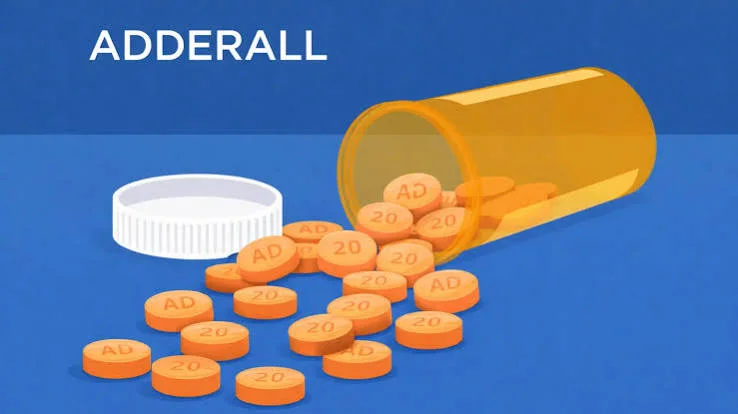
For people with ADHD, Adderall feels like sudden mental quiet — a lifting of internal noise that makes focusing feel effortless rather than forced. For people without ADHD, it feels like a stimulant: elevated mood, heightened energy, and euphoria followed by a noticeable crash. The experience is genuinely different depending on whether the brain has a dopamine deficit to correct or not.
Introduction
“What does Adderall feel like?” is one of the most searched questions about the drug — and one of the most honestly answered by the people who actually take it. Not because the clinical descriptions are wrong, but because they miss the texture of the experience: the specific quality of the quiet, the exact nature of the crash, what “focus” actually feels like when you’ve spent your whole life without it.
This guide draws on both clinical evidence and the most detailed first-person accounts available to give you a genuine, phase-by-phase picture of what Adderall feels like — for ADHD users, for non-ADHD users, when the dose is right, when it’s too high, and when it wears off.
What You Need to Know Before Reading This
The experience of Adderall is not universal — it splits sharply depending on the brain it enters. Adderall contains a mixture of dextroamphetamine and amphetamine salts, calibrated to raise dopamine and norepinephrine levels in the brain’s prefrontal cortex. For an ADHD brain, which starts from a dopamine deficit, this brings function up to baseline. For a non-ADHD brain, which is already at baseline, it pushes past it into overstimulation. Same drug, same dose — completely different felt experience.
Quick reference:
- ADHD user at therapeutic dose: calm focus, mental quiet, reduced impulsivity
- Non-ADHD user at same dose: energy surge, elevated mood, potential euphoria
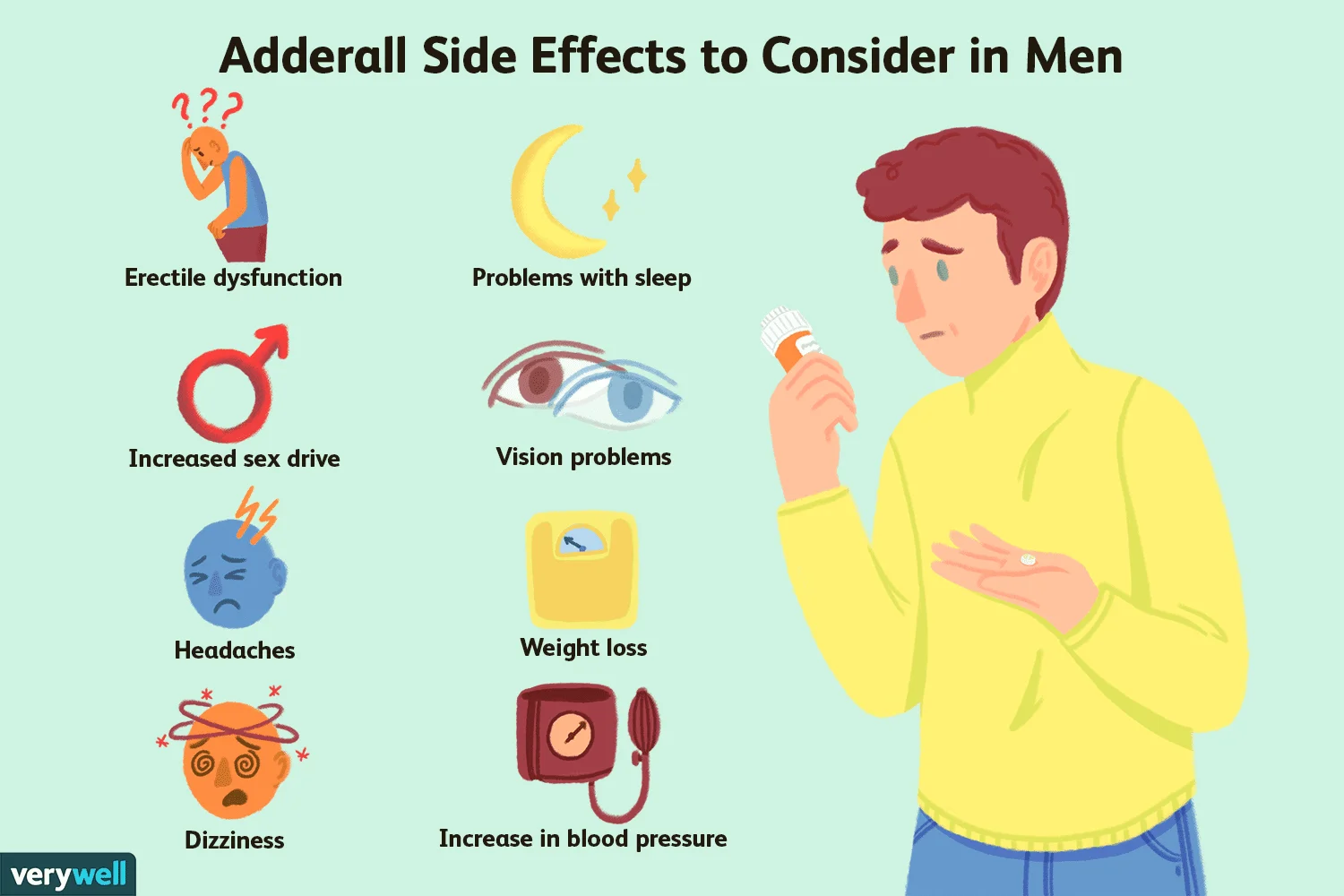
- Too high a dose (either user): anxiety, jitteriness, racing heart, emotional volatility
- Coming off the dose: fatigue, mood dip, increased appetite, difficulty concentrating
- Onset: 30–60 minutes
- Peak: 1–3 hours
- Duration: 4–6 hours IR, 10–12 hours XR
What Adderall Feels Like With ADHD
For people with ADHD, the accounts of first-time Adderall use are remarkably consistent — and remarkably different from what most people expect a stimulant to feel like.
The most common description, repeated across thousands of patient accounts: “Everything went quiet.” Not sleepy-quiet. Alert-quiet. The constant stream of competing thoughts, the mental static, the feeling of being pulled in six directions simultaneously — it stops. Many ADHD patients report that they didn’t know what it meant to have a quiet mind until the first time Adderall worked.
Phase by phase for an ADHD user:
Onset (30–60 minutes):
- A gradual settling of mental noise
- Tasks that normally feel impossible to start suddenly feel approachable
- Mild physical awareness — slightly elevated heart rate, possible dry mouth
- No euphoria at therapeutic doses — the feeling is one of correction, not elevation
Peak (1–3 hours):
- Sustained, directed focus — not hyperfocus on random distractions, but the ability to choose what to work on and actually stay there
- Impulse control noticeably improved — the gap between impulse and action widens
- Many users describe feeling “like who I was always supposed to be”
- Physical tasks feel more manageable; conversations easier to follow without mind-wandering
- Time perception improves — tasks that normally feel endless feel finite
Active window (3–5 hours IR):
- Effects remain consistent but typically less sharp than the initial peak
- For many, this is the most productive window — intense enough to work but not so sharp it feels clinical
- Appetite is significantly suppressed — hunger signals may disappear entirely during this phase
Towards the end (5–7 hours IR):
- Effects begin to recede gradually
- One patient described it as: “like slowing your car at the end of a long trip and putting it into park”
- The silence fades; the mental noise starts to return
The honest trade-off: the focus is genuine, but hunger disappears and, if the dose is taken too late, sleep becomes difficult. Managing mealtimes and dose timing is a near-universal challenge for new Adderall users.
What Adderall Feels Like Without ADHD
For a person without ADHD, the experience is qualitatively different from the very first dose. Where the ADHD user feels correction, the non-ADHD user feels stimulation.
Onset (30–60 minutes):
- An immediate lift in mood and energy — noticeably more alert and motivated
- Heart rate increase is more pronounced and physically noticeable
- A sense of heightened confidence and capability
Peak (1–3 hours):
- Euphoria is possible, especially at first use — dopamine above-baseline produces a reward sensation similar in mechanism (though not intensity) to recreational stimulants
- Focus exists, but it’s misdirected: users often become intensely absorbed in whatever is most immediately interesting, not necessarily what they intended to work on
- Energy levels feel significantly elevated; appetite disappears
- For some, this phase brings anxiety, restlessness, and racing thoughts alongside the energy
Comedown:
- More pronounced than in ADHD users — dopamine drops not just to baseline but below it, because the initial surge was higher
- Fatigue, irritability, and low mood hit as the drug clears
- The crash is what drives repeated use: the desire to recreate the peak and avoid the trough
What this means in real terms: The non-ADHD Adderall experience feels productive in the moment but is followed by a cost. The brain’s dopamine system compensates for the artificial surge by producing a below-baseline trough — which is exactly the state Adderall was designed to correct in ADHD patients. Non-ADHD users end up chasing a debt.
What It Feels Like When the Dose Is Too High
Getting the dose wrong — either too high from the start, or a dose that was once correct but no longer fits — produces a distinct and unpleasant experience. Recognising these signs is one of the most practical things an Adderall user can know.
Signs the dose is too high:
- Pronounced anxiety or a sense of being “wired” without being able to focus
- Heart pounding noticeably — not just elevated, but racing
- Jitteriness, trembling hands, sweating
- Talking too fast or feeling like thoughts are coming faster than you can process them
- Headache and nausea, which are dose-related physical responses
- Emotional volatility — irritability, sudden mood swings, or feeling “on edge” for no clear reason
- Feeling simultaneously exhausted and unable to relax
The key distinction between a correct dose working and a dose that’s too high: at the right dose, the focus feels calm and directed. At too high a dose, it feels frantic and unproductive.Many patients describe “zombie-like” states at excessive doses — able to fixate intensely on something trivial but unable to function socially or shift attention when needed.
If any of the above apply, contact your prescriber. A dose reduction typically resolves these effects within one to two days.
What the Adderall Crash Feels Like
The Adderall crash — the period as the drug wears off and for some hours after — is the most frequently underestimated aspect of the medication for new users.
During the crash, people commonly report:
- Sudden, pronounced fatigue — as if energy was borrowed and is now being reclaimed
- Irritability that arrives without obvious cause — “crash crankiness” is real and well-documented
- Low mood or a mild sense of depression, reflecting dopamine dropping below the pre-dose baseline
- Intense increase in appetite as the appetite-suppressing effect lifts all at once
- Difficulty concentrating — sometimes worse than pre-medication baseline for 1–2 hours
- Brain fog — thoughts feel slow and sticky
For most therapeutic ADHD users, the crash is manageable — a gradual settling rather than a cliff drop, particularly with XR formulations. For non-ADHD users who took higher doses, or for anyone whose dose is too high relative to their body, the crash is sharper and more disruptive.
Practical tips that genuinely help:
- Eat a full meal as the medication wears off — the appetite returns, and low blood sugar amplifies the crash
- Avoid scheduling cognitively demanding tasks in the crash window
- Switching from IR to XR often reduces crash severity significantly by smoothing the drop-off curve
- If the crash is regularly severe, this is information worth bringing to your prescriber — it often signals the dose needs adjustment
How Adderall Feels Differently Over Time
The first few weeks on Adderall typically feel more intense than ongoing use — both the positive effects and the side effects. As the brain adjusts:
- Dry mouth and appetite suppression often improve after 2–4 weeks
- The initial euphoric quality (if present at first use) typically diminishes as the brain normalises to the elevated dopamine level
- The functional benefit — focus, impulse control, task completion — tends to remain consistent at a stable therapeutic dose
- Emotional blunting is reported by some longer-term users: a flattening of spontaneity or emotional range that wasn’t present at first
From clinical observation: if Adderall stops feeling like it’s working after weeks or months of consistent use, the most common explanations are changes in sleep quality, increased stress, weight change (altering effective dose), or inconsistent dosing schedule — not pharmacological tolerance in most cases.
Safety, Legality, and What Australians Need to Know
Adderall is not available in Australia — it is not TGA-approved and cannot be prescribed or dispensed by Australian healthcare providers. For Australian readers asking “what does Adderall feel like” because they’re considering treatment, the practically equivalent medications available here are:
- Lisdexamfetamine (Vyvanse) — converts to dextroamphetamine in the body, producing a very similar felt experience to Adderall XR but with a smoother, slower onset and less pronounced crash
- Dexamphetamine — contains dextroamphetamine directly; feel is closer to Adderall IR
- Methylphenidate (Ritalin, Concerta) — different mechanism, often described as slightly “cleaner” in onset with less appetite suppression in some patients
All require a specialist prescription in Australia. Importing Adderall from overseas without TGA approval carries serious legal consequences.
Critical safety flags — seek immediate medical attention if you experience:
- Chest pain or shortness of breath during or after taking Adderall
- Hallucinations or sudden behavioural changes
- Irregular heartbeat or sustained racing heart
- Symptoms of overdose: extreme agitation, high temperature, seizures
Common Misconceptions About What Adderall Feels Like
Myth 1: “If Adderall makes you calm, that means you have ADHD.”This is one of the most persistent myths — and it’s not diagnostically valid. At low doses, even neurotypical people can experience a calming effect from dopamine modulation. The response to a drug is not a diagnostic test. Only a formal assessment by a qualified clinician can diagnose ADHD.
Myth 2: “Feeling focused means the dose is right.”Feeling focused is necessary but not sufficient. At high doses, non-ADHD users — and ADHD users on too much medication — often report intense “focus” that is actually narrow hyperfixation: completely absorbed in something irrelevant, unable to shift when needed. True therapeutic focus is flexible and functional, not a locked-in fixation.
Myth 3: “The crash means the medication isn’t working.”A mild crash as the medication wears off is normal and expected — it’s the pharmacological consequence of elevated dopamine returning to baseline. A crash that is severe, prolonged, or significantly disruptive is a signal that the dose may be too high, the timing is off, or that switching to XR might help. But the presence of any comedown is not a failure of the medication.
FAQ — What Does Adderall Feel Like?
What does Adderall feel like for the first time with ADHD?Most people with ADHD describe the first effective dose as the most surprising experience of their lives — not because it feels dramatic, but because it doesn’t. The internal noise stops. Tasks that were impossible feel approachable. Many describe it as “quiet” or “normal” — a state they didn’t realise was attainable. The absence of mental struggle is what stands out most, not a feeling of being medicated.
What does Adderall feel like if you don’t have ADHD?Without ADHD, Adderall pushes dopamine above the brain’s normal baseline, producing stimulant effects: elevated mood, increased energy, heightened confidence, and sometimes euphoria. This is followed by a more pronounced crash than ADHD users typically experience. The feeling is stimulant-like — energising and motivating in the short term, with a dopamine debt to pay afterwards.
Does Adderall make you feel happy?At therapeutic doses for ADHD, Adderall doesn’t typically produce happiness so much as relief — the relief of being able to function, complete tasks, and feel competent. Many ADHD patients report improved mood as a secondary effect of reduced frustration and failure. Euphoria is more associated with above-therapeutic doses or with non-ADHD use, where dopamine is pushed above baseline rather than corrected to it.
What does the Adderall crash feel like?The crash is typically characterised by fatigue, irritability, low mood, and difficulty concentrating — arriving as the medication wears off and lasting 1–3 hours. Some describe it as a mild emotional hangover: tired, a bit flat, hungry. For those on too-high doses or with high-dose non-medical use, the crash is sharper — resembling depression, intense fatigue, and strong cravings to retake the medication.
How do I know if my Adderall dose feels right?At the correct dose, you should feel focused but not wired, calm but not sedated, and functional without anxiety. You should be able to redirect your attention when needed — not locked onto a single thing. Side effects like dry mouth and reduced appetite are expected, but heart pounding, jitteriness, anxiety, or emotional blunting are signals the dose may need adjusting.
Does Adderall make everyone feel the same?No — individual response varies significantly. Factors include genetics (particularly CYP2D6 enzyme activity, which affects how quickly amphetamines are metabolised), body weight, existing mental health conditions, quality of sleep the night before, and whether the stomach was empty or full at the time of dosing. Two people taking the same dose on the same day can have genuinely different experiences.
What does it feel like when Adderall wears off vs. an actual crash?“Wearing off” is gradual — effects fade over 1–2 hours and the return to baseline is smooth. A “crash” is sharper: dopamine drops below baseline, producing active symptoms like irritability, low mood, and fatigue rather than a simple return to normal. The distinction matters clinically — wearing off is expected; a crash that is severe or distressing is information worth sharing with your prescriber.
Can Adderall make you feel worse if you already have anxiety?Yes — and this is one of the most important pre-treatment conversations to have with a prescriber. Adderall elevates norepinephrine, which activates the sympathetic nervous system — the same system involved in anxiety responses. In people with pre-existing anxiety, even therapeutic doses can amplify anxious feelings significantly. If this is a concern, non-stimulant ADHD treatments like atomoxetine or guanfacine may be more appropriate starting points.
The Real Experience, Honestly
Adderall feels like silence when silence was never available — if you have ADHD and the dose is right. It feels like borrowed energy with a bill attached — if you don’t have ADHD. The difference between those two experiences isn’t subtle: it’s the difference between correction and overstimulation, between restoring a deficit and creating an excess. For Australians seeking that first experience through legitimate treatment, Vyvanse and dexamphetamine offer virtually the same felt outcome — available through a specialist prescription, with the same mechanism and the same genuine potential to change daily functioning.
What does Adderall feel like Hobart
What does Adderall feel like Devonport
What does Adderall feel like Launceston
What does Adderall feel like Tasmania
What does Adderall feel like Victoria
What does Adderall feel like Queensland
What does Adderall feel like Canberra
What does Adderall feel like Australian Capital Territory
What does Adderall feel like South Australia
What does Adderall feel like New South Wales
What does Adderall feel like Darwin
What does Adderall feel like Ghan
What does Adderall feel like Northern Territory
What does Adderall feel like Australia
What does Adderall feel like Austria
What does Adderall feel like Germany
What does Adderall feel like United Kingdom
What does Adderall feel like Sweden
What does Adderall feel like Denmark
What does Adderall feel like Norway
What does Adderall feel like Finland
What does Adderall feel like Iceland
What does Adderall feel like Netherlands
What does Adderall feel like Spain
What does Adderall feel like Ireland
What does Adderall feel like Switzerland